
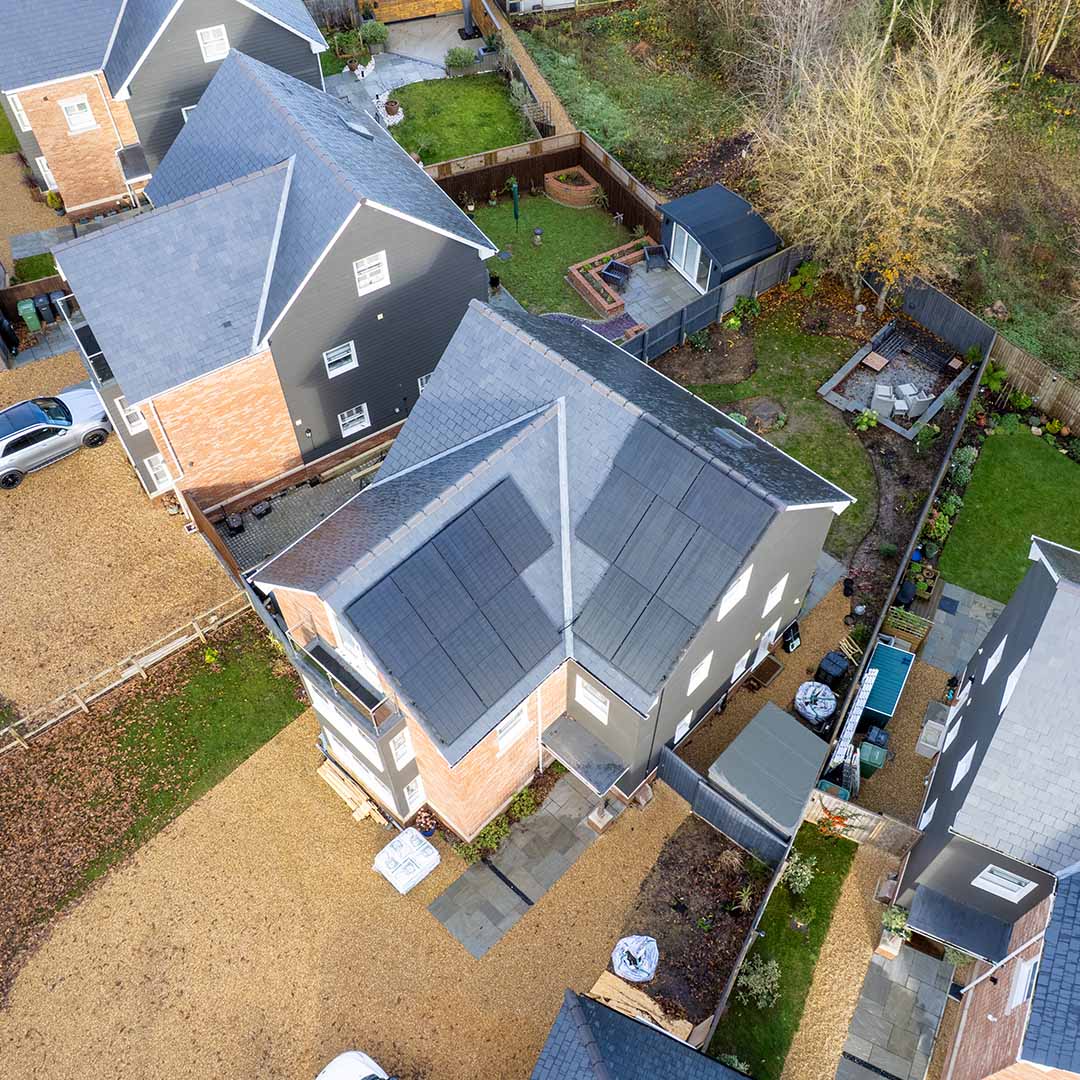
A plain-English guide to what 3kW, 4kW and 6kW solar systems typically cost on the South Coast, how much energy each generates, and how to pick the right size for your home.
One of the first questions most Hampshire homeowners ask us is simply: "How big a system do I need, and what will it cost?" It is a fair question, but the honest answer is that system size is less about a magic number and more about matching the array to your roof, your electricity use and your budget. The three sizes that come up most often for South Coast homes are 3kW, 4kW and 6kW, so it is worth understanding what each one actually means before you start comparing quotes.
The "kW" figure refers to the peak output of the panels, not the amount of electricity you will use. A 4kW system, for example, is made up of roughly ten panels rated at around 400-440W each, depending on the model. On the South Coast we benefit from genuinely strong sunlight by UK standards: the Solent area sees roughly 1,050 to 1,150 kWh of generation per kWp installed each year, which is towards the higher end nationally. That means a well-sited 4kW array on a south-facing Portsmouth or Chichester roof can realistically produce somewhere around 3,800 to 4,400 kWh a year, before you account for shading or panel orientation.
As a rough guide to costs in 2026, a 3kW system typically starts from around £5,000 to £6,500 fully installed, a 4kW system from around £6,000 to £8,000, and a 6kW system from around £8,500 to £11,000. These are ranges, not promises: the final figure depends on your roof type, scaffolding requirements, the panels and inverter you choose, and whether you add a battery. Battery storage commonly adds another £2,500 to £5,000 depending on capacity. Crucially, residential solar currently attracts 0% VAT in the UK, so the prices you are quoted should already reflect that saving rather than adding it on top.
You will notice that the cost per kW falls as the system gets bigger. A large share of any installation is made up of fixed costs that do not change much with size: scaffolding, the inverter, the labour for a one or two-day job, and the paperwork for your Distribution Network Operator. Spreading those fixed costs across more panels is why a 6kW system rarely costs double a 3kW one. If your roof and budget allow it, going slightly larger often gives you better value per unit of generation.
So which size is right for you? The starting point is your annual electricity consumption, which you can find on your bills or your in-home display. A typical two or three-bedroom South Coast home using around 2,700 to 3,500 kWh a year is often well served by a 3kW to 4kW system. A larger four or five-bedroom family home, especially one with an electric vehicle, a heat pump or high daytime use, frequently justifies a 5kW to 6kW array. Oversizing well beyond your needs is not always wasteful either, because surplus energy can be exported for a payment under the Smart Export Guarantee.
Self-consumption matters more than many homeowners expect. Solar panels generate during the day, but a household where everyone is out at work until the evening will naturally use less of that free electricity directly. This is where a battery, or a smart tariff such as one of the Octopus options, can change the maths considerably: storing midday generation to use at night, or charging cheaply overnight and exporting at peak times. If you are weighing up 4kW versus 6kW, think about how much of the extra generation you would genuinely use rather than export at a lower rate.
Your roof also sets practical limits. A 6kW system needs roughly 28 to 32 square metres of usable roof space, so smaller or more complex roofs in older Portsmouth terraces or Isle of Wight cottages may simply not fit the largest arrays. Orientation plays a part too: east-west roofs generate slightly less than a single south-facing pitch but spread production more evenly across the day, which can actually suit working households better. A good installer will model your specific roof rather than quoting a one-size-fits-all package.
There are a couple of South Coast specifics worth flagging. If your property sits within a conservation area, such as parts of Chichester, Winchester or Brighton, panel placement and visibility can affect what is permitted, and you may need to consider less visible roof faces or speak to the local planning authority. On the grid side, SSEN covers Hampshire, the Isle of Wight and Dorset, while UKPN covers Sussex and most of Surrey; the size of system you can install without additional approval can vary, and a larger 6kW-plus array is more likely to need a formal connection application.
In practice, the best way to choose between 3kW, 4kW and 6kW is to look at your actual consumption, your roof, and how much of the generation you can use rather than export. The headline price is only part of the picture; the value comes from sizing the system to your life. If you would like a clear, no-pushy-sales estimate tailored to your home and your bills, you are welcome to request a free quote or try our solar savings calculator to see which size makes the most sense for you.
Thinking about solar for your home?
We design every system around your roof and your real usage, across Hampshire, the Isle of Wight, Surrey, Sussex and Dorset. Get a free, no-obligation quote →
Cornerstone guide
How Much Do Solar Panels Cost on the South Coast? (2026) →Read next
Solar Panel Finance Explained: 0% Finance vs Pay Monthly
How solar finance actually works in 2026, the difference between true 0% finance and longer pay-monthly plans, and what South Coast homeowners should check before signing.
Will Solar Panels Increase My House Value?
What the evidence says about solar panels and property value, how an improved EPC rating helps, and the South Coast factors that make panels more or less of a selling point.
Solar Panels and Your Bills: What to Expect After Install
A realistic look at how your electricity bills change after going solar, why they rarely hit zero, and how batteries, smart tariffs and the Smart Export Guarantee shape your savings.