
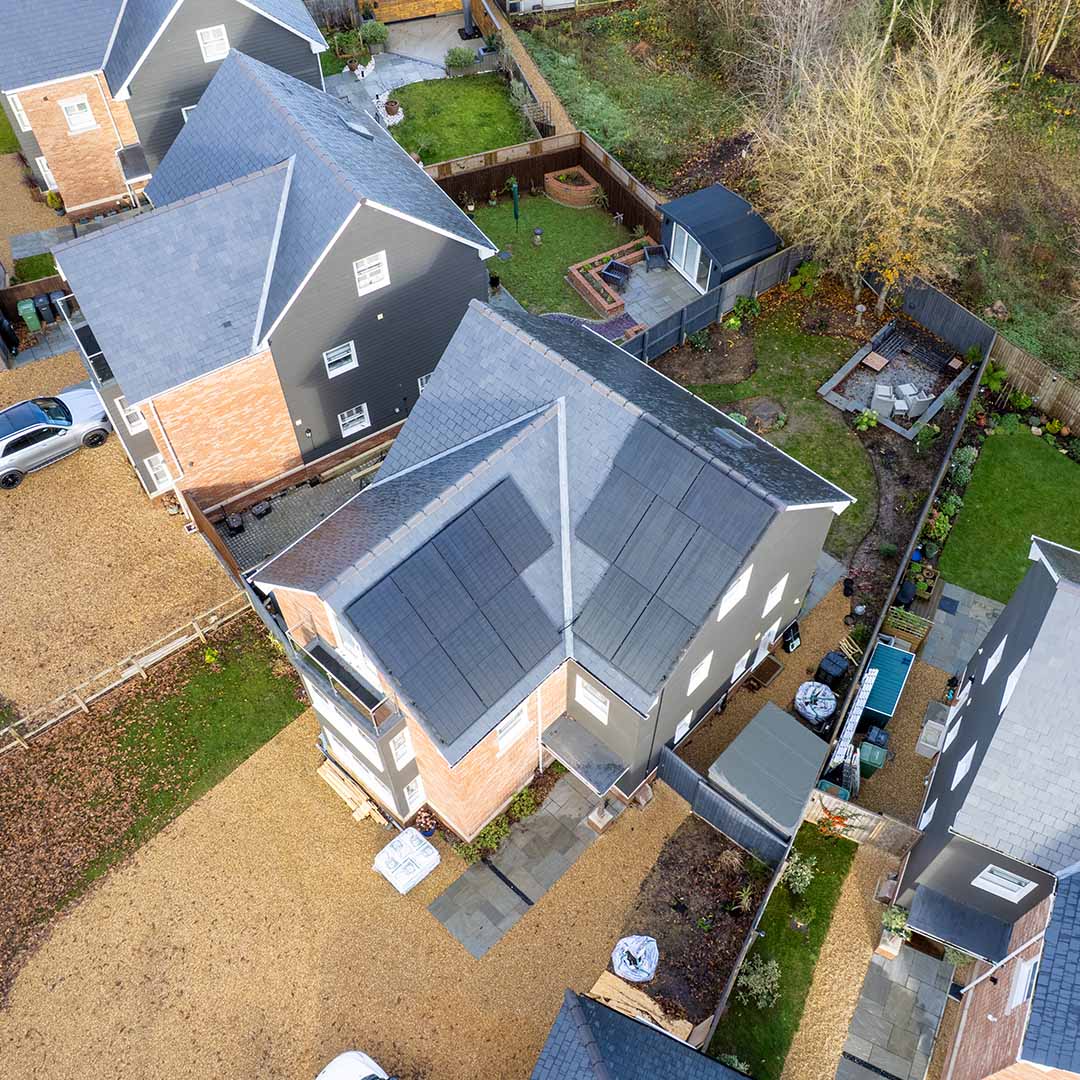
What the evidence says about solar panels and property value, how an improved EPC rating helps, and the South Coast factors that make panels more or less of a selling point.
It is a question almost every homeowner asks before committing to solar: will the panels add value when I come to sell? The honest answer is that they usually help, but the size and certainty of that benefit depend on several factors, and anyone who promises you a precise figure is guessing. What we can say with confidence is that the direction of travel is positive, and that the way panels are installed and documented makes a real difference to how a buyer or surveyor sees them.
The most consistent evidence comes from Energy Performance Certificates. Solar panels improve a property's EPC rating by reducing the energy it draws from the grid, and a stronger EPC has become a genuine selling point as buyers grow more conscious of running costs. Several studies over the past few years have suggested that moving up an EPC band can be associated with a measurable uplift in sale price. While the exact percentage varies by study and region, the underlying logic is sound: a home that is cheaper to run is more attractive, and that attractiveness tends to show up in offers.
There is also a simpler, more intuitive driver of value: lower bills. A prospective buyer looking at two similar homes on the same Portsmouth or Southampton street will reasonably prefer the one that comes with established solar generation and the prospect of much smaller electricity bills. In a competitive market, features that save money month after month help a property stand out and can shorten the time it spends on the market. That speed of sale is itself a form of value, even where it does not translate into a higher headline price.
For the panels to count in your favour, the paperwork needs to be in order. Buyers' solicitors and surveyors will look for MCS certification, the relevant electrical certificates, and evidence that the installation was notified to the Distribution Network Operator, which on the South Coast means SSEN for Hampshire, the Isle of Wight and Dorset, or UKPN for Sussex and most of Surrey. A properly certified, well-documented system reassures everyone involved; an undocumented or poorly installed array can actually raise questions and slow a sale, so quality and record-keeping matter.
Ownership status is another important detail. Panels you own outright add to the property cleanly. Historically, some homes carried older "rent-a-roof" arrangements where a third party owned the panels and leased the roof space, and these could complicate mortgages and sales because the lease terms had to satisfy the buyer's lender. Modern installations are almost always owner-purchased, which is far simpler, but if you are buying or selling a home with existing panels it is always worth confirming who actually owns them.
The South Coast has a few specifics that can tilt the value question either way. Our strong local irradiance, around 1,050 to 1,150 kWh per kWp a year, means panels here generate more than in much of the country, so the running-cost benefit a buyer inherits is correspondingly larger. On the other hand, in conservation areas such as parts of Chichester, Winchester and Brighton, the visual impact of front-facing panels can matter to some buyers, and discreet placement on a rear or side roof is often the more saleable choice as well as the more planning-friendly one.
It is worth being realistic about what solar will and will not do. Panels are unlikely to transform the value of a property on their own, and you should not expect to recoup the full installation cost purely through an increased asking price. The stronger case is a combined one: years of reduced bills while you live there, plus a more efficient, more marketable home when you sell. Viewed over the whole period of ownership, the return is far more compelling than a single before-and-after valuation suggests.
If selling is on your horizon, a few sensible steps protect the value you create. Keep all your certificates and warranty documents together in one file, including the MCS certificate, the electrical sign-off and the Smart Export Guarantee paperwork. Make sure any battery and inverter warranties are transferable or at least clearly documented. And keep a simple record of annual generation, because a buyer who can see real figures is far more reassured than one looking at panels with no supporting data.
In short, solar panels generally help your home's value, most reliably through a better EPC and lower running costs, provided the system is well installed and properly documented. The biggest financial benefit, though, comes from the years of savings you enjoy in the meantime. If you would like to understand what a quality, fully certified installation would look like for your home, you are welcome to request a free quote or try our savings calculator to see the numbers for yourself.
Thinking about solar for your home?
We design every system around your roof and your real usage, across Hampshire, the Isle of Wight, Surrey, Sussex and Dorset. Get a free, no-obligation quote →
Cornerstone guide
How Much Do Solar Panels Cost on the South Coast? (2026) →Read next
Solar Panel Cost by System Size: 3kW vs 4kW vs 6kW
A plain-English guide to what 3kW, 4kW and 6kW solar systems typically cost on the South Coast, how much energy each generates, and how to pick the right size for your home.
Solar Panel Finance Explained: 0% Finance vs Pay Monthly
How solar finance actually works in 2026, the difference between true 0% finance and longer pay-monthly plans, and what South Coast homeowners should check before signing.
Solar Panels and Your Bills: What to Expect After Install
A realistic look at how your electricity bills change after going solar, why they rarely hit zero, and how batteries, smart tariffs and the Smart Export Guarantee shape your savings.