
Battery Only
Battery Storage
Flexible, efficient battery storage for every home — even without solar panels.
0
Avg Bill Savings
0
Battery Warranty
0
Typical Install
0
Max Capacity
Quick answer
A standalone home battery charges from cheap overnight electricity (e.g. Intelligent Octopus Go, around 7p/kWh) and powers your home during expensive peak hours — no solar required. It typically costs £4,000–£9,000, suits homes with high evening use, and adds blackout backup.
Even if your home isn't suited to new solar panels, or if you're in a listed building with restrictions on roof installations, battery storage can still deliver powerful energy benefits.
Battery systems store electricity during low-cost periods and discharge during higher-cost times. Using cheap-rate smart tariffs such as Intelligent Octopus Go (around 7p/kWh overnight), you can charge your battery overnight and use that stored energy during expensive peak hours — saving significantly on every bill.
Stand-alone battery storage is also an excellent choice for homes that want backup power during outages. Systems can be configured to automatically switch to battery power, keeping essential circuits running when the grid goes down.
As a Tesla Certified Installer, we offer the Powerwall 3 alongside solutions from Sigenergy, GoodWe, EcoFlow, and Fox ESS. Every system is designed to be future-ready, with easy integration of solar panels when the time is right.
Lower Bills
Utilise cheaper overnight electricity rates through tariff arbitrage.
Reduced Grid Reliance
Store economical energy for peak-use periods.
Resilience & Backup
Power essential circuits during outages automatically.
Non-Solar Properties
Ideal for homes with unsuitable roof orientation or planning restrictions.
Future-Ready
Scalable to integrate solar panels when you're ready.
Expert Installation
Tesla Certified with Octopus Energy partnership.
Step By Step
How It Works
We analyse your energy usage patterns and tariff to determine the optimal battery size.
A system is designed around your specific needs, whether for savings, backup, or both.
Professional installation by our certified team, typically completed within a day.
Smart tariff configuration to maximise charge/discharge cycles for maximum savings.
Full handover with app setup, monitoring training, and ongoing support.
Future-proofed design for easy solar panel integration when you're ready.
Proven Performance
Real Results From Our Customers
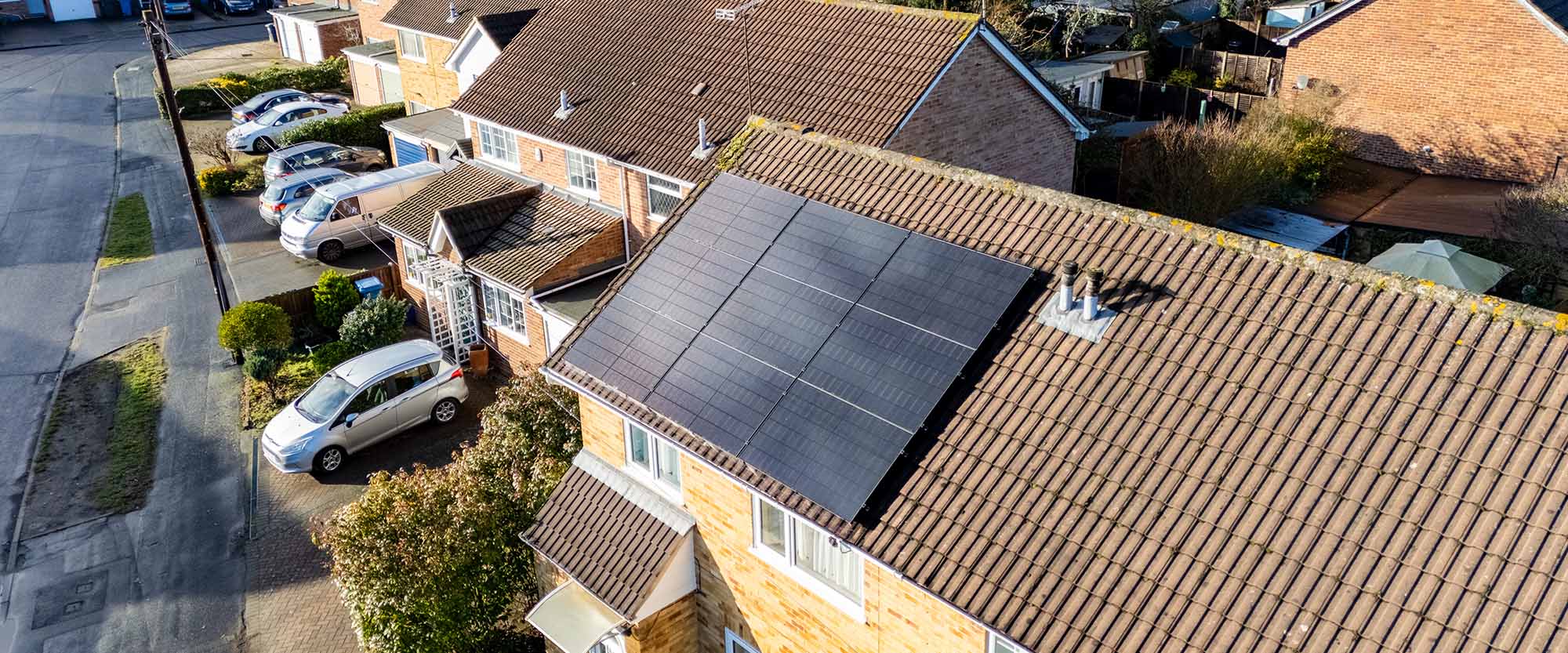
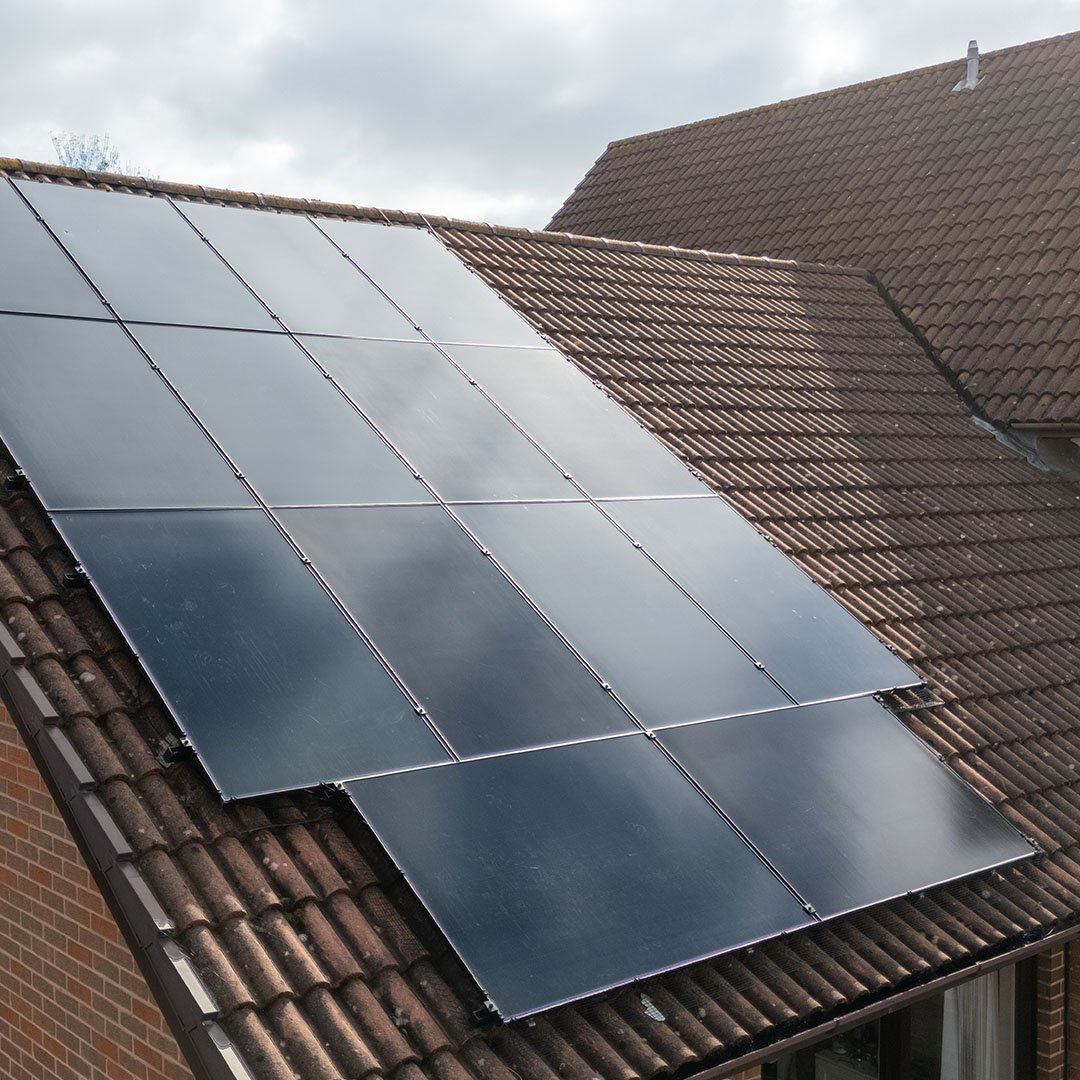
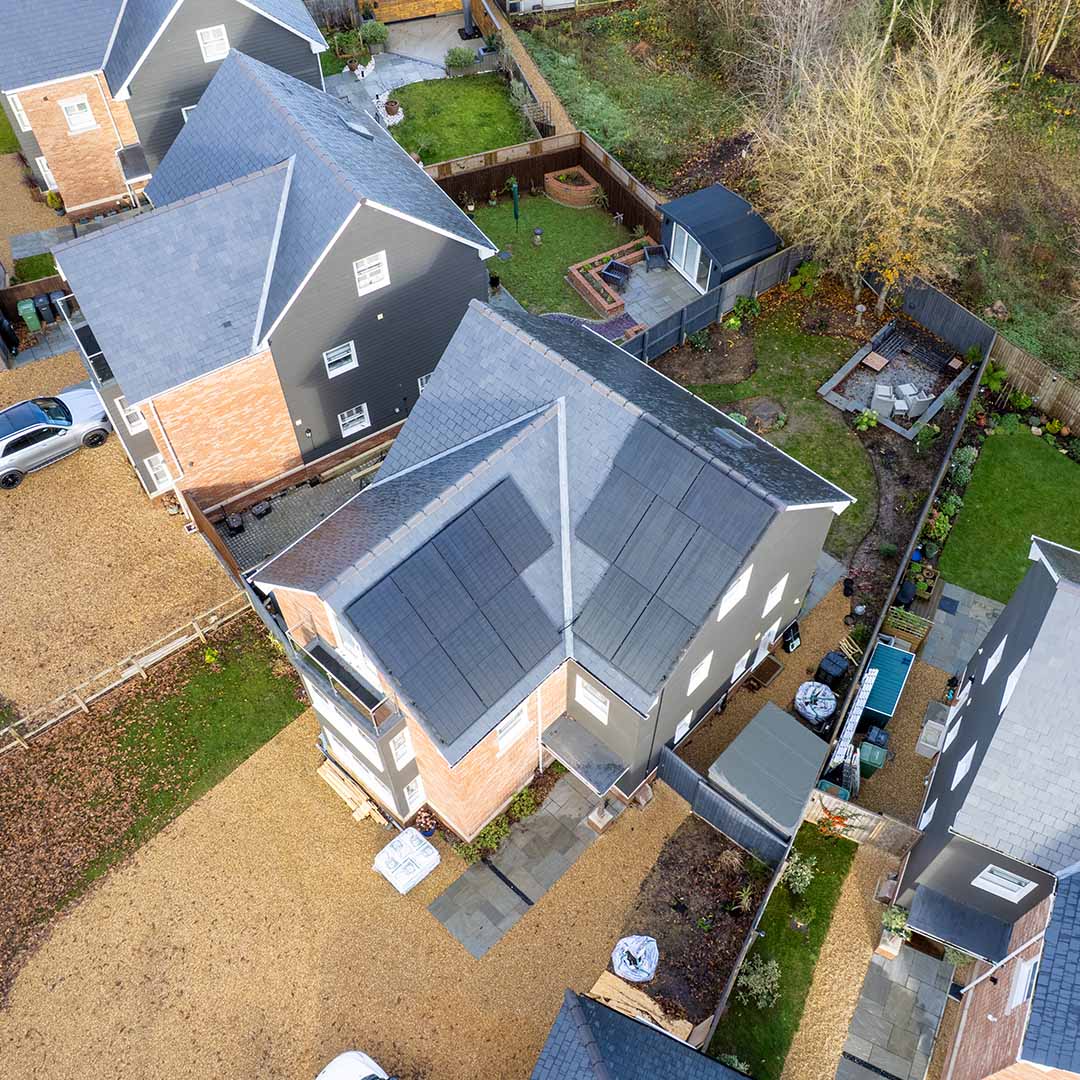
See how homeowners across the South Coast are saving with solar energy.
FAQ
Common Questions
Is a battery worth it without solar panels?
Can I add solar panels later?
How much space does a battery need?
Will a battery power my whole house during an outage?
Can You Have Home Battery Storage Without Solar Panels?
Yes — and it's a more common request than it used to be. A home battery doesn't need panels to be useful, because a battery isn't a generator. It's a store. Panels are simply one way of filling it; a cheap-rate electricity tariff is another. We fit battery-only systems as standalone retrofits across Hampshire, the Isle of Wight, Dorset, West Sussex, East Sussex and Surrey, and plenty of them go into homes with a roof that will never see a panel — north-facing, shaded, listed, or simply a household that doesn't want the disruption.
The maths is straightforward once you stop thinking about generation. On a cheap-rate import tariff such as Intelligent Octopus Go, units bought in the small hours cost around 7p per kWh, while the standard day rate sits at roughly 26p. You charge the battery overnight at the low rate, then run the house from stored electricity through the expensive part of the day. Every kWh you shift is the difference between those two prices — somewhere in the region of 19p — and a Tesla Powerwall 3 holds 13.5kWh. What that's worth to you depends entirely on how much you actually use during peak hours, which is the first thing we'd look at rather than the last.
That's also why the sums hold up with no panels at all. A solar battery's case is usually built partly on export income, and export rates have been moving the wrong way: Octopus Outgoing Fixed was cut from 15p to 12p on 1 March 2026, and open-market flat SEG rates sit at roughly 10.5p to 16.5p. A battery-only system doesn't lean on any of that. It earns from the gap between your own import prices, which is a much more predictable thing to plan around.
On cost, a Tesla Powerwall 3 retrofit at 13.5kWh starts from £7,450, with expansion to 27kWh from £13,950 for households running heavy loads. Both are "from" prices and subject to survey — siting, cable runs and the state of your existing board all move the figure, and we'd rather quote you properly after a look than guess over the phone. We're a Tesla Certified Installer, which is a scarce accreditation and one of the reasons we'd point you at Powerwall for a battery-only job.
One piece of process worth knowing before you commit: any system with battery storage needs a G99 application approved by the distribution network operator before installation, not afterwards. It isn't the connect-and-notify route that small solar arrays take. We file it for you. Locally that means SSEN for Hampshire, the Isle of Wight, Dorset and west Surrey, and UK Power Networks for East and West Sussex and most of Surrey. As for who it genuinely suits: EV owners already on a cheap overnight tariff, heat-pump homes with real winter demand, and anyone on a rural line who's tired of losing power in a storm.
- ✓Yes — a battery works perfectly well on its own. It charges from the grid rather than from panels, so no roof array is needed.
- ✓The saving comes from the price gap between night and day units: roughly 7p per kWh overnight on Intelligent Octopus Go against a day rate of around 26p.
- ✓Tesla Powerwall 3 (13.5kWh) retrofit from £7,450, subject to survey. Expansion to 27kWh from £13,950 for larger households.
- ✓Anything with battery storage needs a G99 application approved by the DNO before installation — we file it for you.
- ✓SSEN is the network operator for Hampshire, the Isle of Wight, Dorset and west Surrey; UK Power Networks covers East and West Sussex and most of Surrey.
- ✓Best suited to EV owners, heat-pump homes and anyone who wants the lights to stay on during a power cut.
Can you get home battery storage without solar panels?+
Yes. A battery-only system charges from the grid instead of from a roof array, so panels aren't required. We fit Tesla Powerwall 3 as a standalone retrofit and, as a Tesla Certified Installer, we can commission it as a battery-only system from day one.
How does a battery save money if it isn't generating anything?+
It shifts when you buy your electricity rather than producing it. On a cheap-rate import tariff such as Intelligent Octopus Go you charge overnight at around 7p per kWh and run the house from the battery through the day instead of paying roughly 26p. The return comes from that price gap, not from generating or exporting.
How much does a Powerwall 3 retrofit cost without solar?+
Battery-only Tesla Powerwall 3 (13.5kWh) starts from £7,450, and with expansion to 27kWh from £13,950. Both are "from" prices and subject to survey — the final figure depends on where the unit goes, the cable run and your existing consumer unit.
Do I need permission from the network operator?+
Yes. Battery storage falls under G99, which has to be applied for and approved by your DNO before the install goes ahead — it isn't a connect-and-notify job like a small G98 solar array. We handle the paperwork. SSEN is the operator across Hampshire, the Isle of Wight, Dorset and west Surrey; UK Power Networks covers East and West Sussex and most of Surrey.
Will a battery keep my house running in a power cut?+
Backup is one of the main reasons people fit a battery on its own, and it's worth telling us at survey stage if it matters to you, because it affects how the system is wired and how much stored capacity you'll want to hold in reserve.
Areas we cover
- Solar panels Dorset
- Solar panels Surrey
- Solar panels Hampshire
- Solar panels Isle of Wight
- Solar panels West Sussex
- Solar panels East Sussex
- Solar panels Southampton
- Solar panels Portsmouth
- Solar panels Bournemouth
- Solar panels Winchester
- Solar panels Chichester
- Solar panels Fareham
- Solar panels Ryde
- Solar panels Havant
Ready to cut your bills with solar?
Get a free, no-obligation quote tailored to your home — expert local advice, clear pricing and finance options across the South Coast.