
How to pick the right electricity tariff for charging your EV at home in 2026, what to look for, and how to combine cheap overnight rates with solar on the South Coast.
Buying an electric car is the easy part. Getting your electricity tariff right is where the real savings live, and it is the bit most people overlook. The difference between charging on a standard tariff and charging on a dedicated EV tariff can be enormous, because EV tariffs offer a cheap overnight window where electricity costs a fraction of the daytime rate. If you charge at the wrong time on the wrong tariff, you can be paying several times more per mile than your neighbour with an identical car. So before you settle into a routine, it is well worth understanding how these tariffs work and which type suits your home.
The core idea behind every EV tariff is time-of-use pricing. Instead of one flat rate around the clock, you get a low rate for a set window, usually in the small hours of the morning when national demand is at its lowest, and a higher rate during the day. Your smart charger schedules the car to fill up entirely within that cheap window, so you wake up to a full battery charged at the lowest price. Some tariffs give you a fixed cheap window each night, which is simple and predictable. Others vary the price every half hour depending on what is happening on the grid, which can be even cheaper if you are happy to let smart software do the thinking for you.
Octopus has become the name most EV owners know, and for good reason. Their EV-focused tariffs are popular on the South Coast and elsewhere because they pair a very low overnight rate with smart charging that can talk directly to many chargers and even to the car itself. Their agile, half-hourly style of tariff appeals to people who want to chase the absolute cheapest slots, while their simpler fixed-window EV tariffs suit anyone who just wants a reliable cheap period each night without thinking about it. They are not the only option, and it is always worth comparing what other suppliers offer, but they have set the standard that others are measured against.
When you are weighing up tariffs, there are a few practical things to look at. First, how cheap is the off-peak rate and how long does the window last, because a longer window gives your charger more flexibility and is kinder if you have a larger battery. Second, what is the daytime, or peak, rate, because everything else in your home, the kettle, the oven, the washing machine, runs at that price too, and a very cheap night rate can be undermined by an expensive day rate. Third, check whether the tariff plays nicely with your specific charger, since the best experience comes when the tariff and the charger coordinate automatically rather than you setting timers by hand.
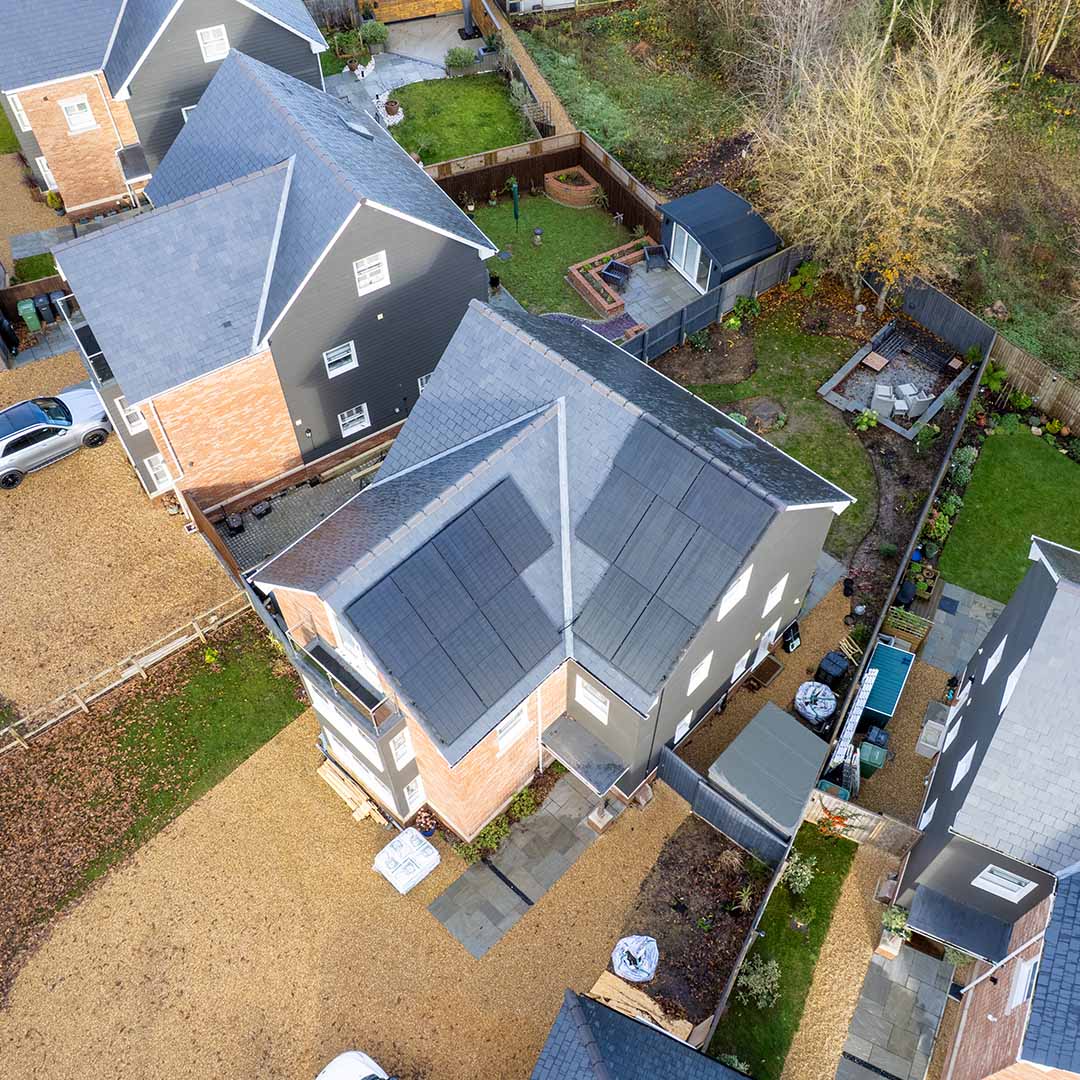
If you have solar panels, the calculation changes in your favour and you should think about tariffs differently. On the South Coast we enjoy some of the stronger sunshine figures in the country, with the Solent area seeing roughly 1,050 to 1,150 kWh per kWp a year, so a typical home system generates a genuine surplus on bright days. A solar-aware charger can divert that spare daytime energy straight into the car for free, which means much of your charging through spring, summer and autumn need not touch the grid at all. In that situation you want a tariff that still gives you a cheap overnight top-up for the darker months, while letting you export what you do not use.
That brings in the Smart Export Guarantee, which is the scheme that pays you for the solar electricity you send back to the grid rather than using yourself. Different suppliers offer very different export rates, and some of the most generous export deals are bundled with EV and smart tariffs. The clever move for a solar home with an EV is to charge the car on cheap imported power overnight, run the house on solar during the day, and export the rest at a good rate. Getting the import tariff and the export rate to work together is where a household can genuinely turn its energy bills upside down, and it is worth doing the sums properly rather than just defaulting to whatever you had before the car arrived.
A couple of honest caveats. EV tariffs almost always require a working smart meter, so if you do not have one you will need to arrange installation with your supplier first. They also tend to assume the bulk of your usage shifts to off-peak, so they suit households who can do most of their charging and ideally some of their laundry and dishwashing overnight. If your lifestyle means you genuinely cannot move usage to the cheap window, the gap between night and day rates can work against you, so it pays to be realistic about your own habits before switching. Tariff details and rates also change frequently, so always check the current terms directly with the supplier before committing.
The bottom line is that the right tariff, paired with a smart charger and ideally some solar, is what turns an electric car from merely cleaner into genuinely cheap to run. We are a family-run, MCS-certified installer covering Hampshire and the South Coast, and while we cannot pick your tariff for you, we fit chargers and solar systems that are ready to make the most of whatever EV tariff you choose, with no pushy sales and honest advice on what will actually save you money. If you would like to talk through a charger, solar, or both, get in touch for a free quote, or try our calculator to see what charging from your own roof could be worth.
Thinking about solar for your home?
We design every system around your roof and your real usage, across Hampshire, the Isle of Wight, Surrey, Sussex and Dorset. Get a free, no-obligation quote →
Cornerstone guide
Home EV Charger Installation: The Complete Guide →Read next
How Much Does It Cost to Install a Home EV Charger?
A clear, honest breakdown of what a home EV charger really costs to fit in Hampshire and along the South Coast, including the factors that move the price up or down.
EV Charger Installation: What to Expect (Survey to Switch-On)
A step-by-step walkthrough of a home EV charger installation on the South Coast, from the first survey through to the moment you plug in your car.
Do You Need an Electrician for an EV Charger?
Why a home EV charger is not a DIY job, what the regulations actually require, and how to make sure your installation is safe, legal and properly certified.