
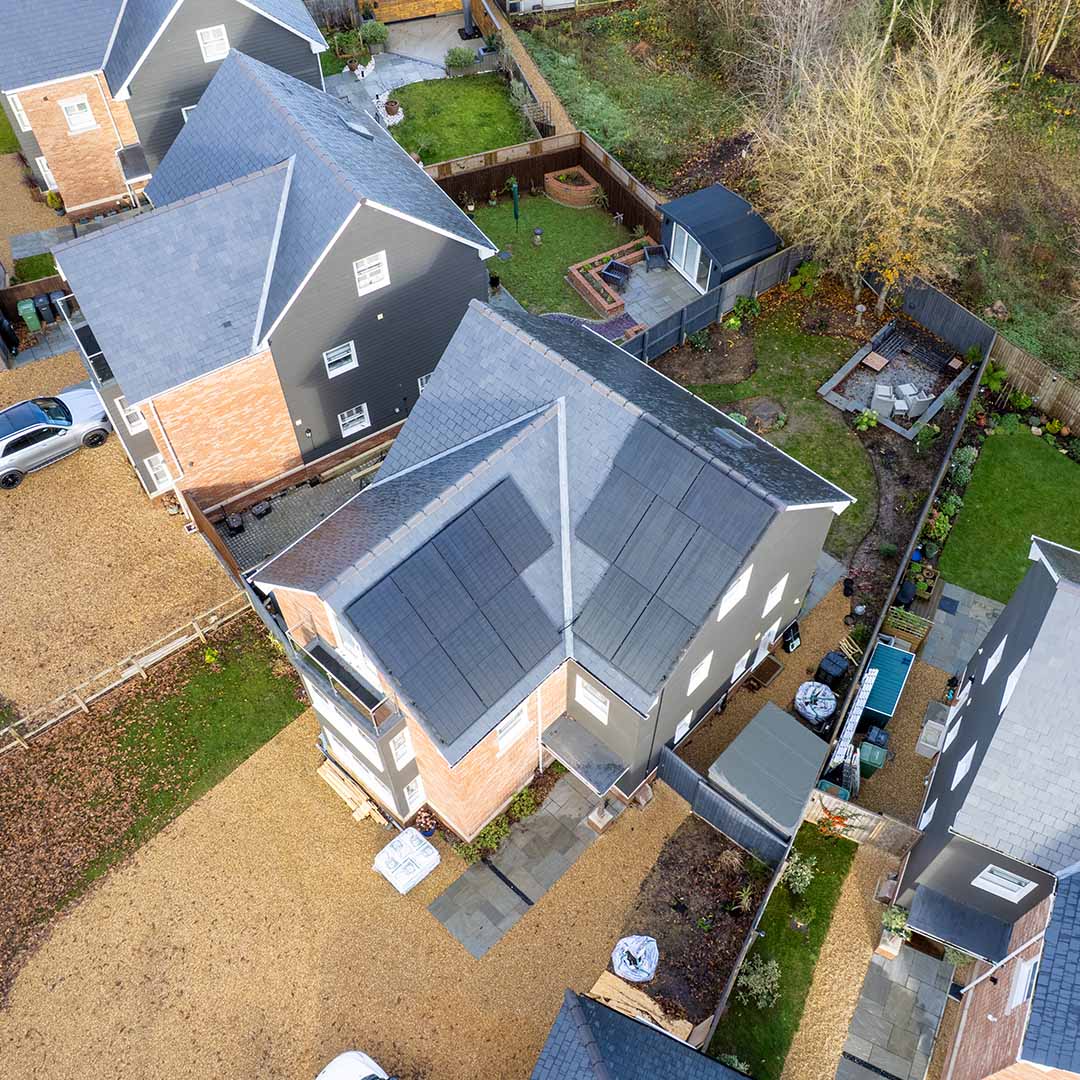
A step-by-step walkthrough of a home EV charger installation on the South Coast, from the first survey through to the moment you plug in your car.
Booking a home EV charger can feel like a leap into the unknown if you have never had electrical work done, so here is exactly what happens from start to finish. The whole process, from your first enquiry to plugging in your car, usually takes a couple of weeks, and the install itself is typically a half-day job. There are no demolition crews and no weeks of disruption, just a tidy, methodical bit of electrical work carried out by a qualified electrician. Knowing the sequence in advance takes the mystery out of it and helps you spot whether the company you are talking to is doing things properly.
It all begins with a survey. For many straightforward homes across Portsmouth, Hampshire and the wider South Coast we can do a good chunk of this remotely, by asking you to send a few photographs of your consumer unit, or fuse board, your electricity meter, and the wall where you would like the charger to go. For anything less obvious, such as a long cable run or a detached garage, we will come out in person. The survey is where we work out the route for the cable, check whether your fuse board has spare capacity, confirm the earthing arrangement, and identify anything that needs sorting before the charger goes on. This is the stage where a good installer earns their fee, because getting it right here means no nasty surprises on the day.
Once the survey is done, you get a written quote. A proper quote should be itemised and clear, telling you the make and model of the charger, the length and type of cable run, any consumer unit work, the protective devices being fitted, and the total price including VAT treatment. If a quote is vague or just one round number with no detail, that is a flag worth questioning. We will also talk you through your charger options at this point, including whether a solar-aware smart charger makes sense for your home, and we will be honest if the cheaper unit would serve you just as well. There is never any pressure to upgrade.
On installation day, the electrician arrives and the first thing they do is double-check everything against the survey, because occasionally a board is busier than the photos suggested or a wall is more awkward than it looked. They will isolate your electricity supply for short periods while they work, so expect the power to go off and on a few times. The charger is mounted securely to the wall at a sensible height, the cable is run neatly and clipped or buried as agreed, and a dedicated circuit is wired back to your consumer unit with the correct breaker and protection. Tidy cable management is one of the marks of a careful installer, so the finished job should look deliberate rather than improvised.
A big part of a compliant install is the protection that you never see. EV chargers must be fitted with specific safety devices that guard against electric shock and faults, and the earthing has to be correct for the type of supply your home has. In some properties this means fitting an earth rod or a particular protective device. This is not optional and it is not somewhere to save money, because it is what keeps you and your family safe when the car is charging unattended overnight. Your installer should be able to explain in plain English what protection they have fitted and why.
With everything wired, the electrician carries out a series of electrical tests to confirm the installation is safe and working correctly. They will then power up the charger, connect it to your home wifi, and set up the app so you can schedule charging, monitor usage and, if you have solar, link the charger to your panels. They should run through how to start and stop a charge with you, show you the app, and answer any questions. Take a few minutes here to actually try it yourself rather than nodding along, because it is much easier to ask while the engineer is standing next to you.
Before they leave, you should receive your paperwork. This includes an electrical installation certificate, which proves the work meets the regulations, and confirmation that the installation has been notified to building control where that is required. These documents matter, so keep them safe. They are exactly what a buyer or surveyor will ask for if you ever sell the house, and they are reassurance for your insurer too. A reputable installer provides this as standard without you having to chase, and if a company is cagey about certification, that tells you something.
After switch-on, your charger should largely look after itself. The smart features come into their own here, letting you schedule charging for the cheapest overnight hours on an EV tariff, or top up from spare solar during the day. On the South Coast, with the strong Solent sunshine, a solar-linked charger can put a meaningful number of free miles into your car between spring and autumn. If anything ever seems off, a good installer is only a phone call away and will not leave you stranded. We are a family-run, MCS-certified team and we pride ourselves on a clean install and an honest explanation at every step. If you would like to book a survey or just talk it through with no pressure, get in touch for a free quote or try our online calculator first to see what your install might involve.
Thinking about solar for your home?
We design every system around your roof and your real usage, across Hampshire, the Isle of Wight, Surrey, Sussex and Dorset. Get a free, no-obligation quote →
Cornerstone guide
Home EV Charger Installation: The Complete Guide →Read next
How Much Does It Cost to Install a Home EV Charger?
A clear, honest breakdown of what a home EV charger really costs to fit in Hampshire and along the South Coast, including the factors that move the price up or down.
Do You Need an Electrician for an EV Charger?
Why a home EV charger is not a DIY job, what the regulations actually require, and how to make sure your installation is safe, legal and properly certified.
Best EV Tariffs for Home Charging in 2026
How to pick the right electricity tariff for charging your EV at home in 2026, what to look for, and how to combine cheap overnight rates with solar on the South Coast.