
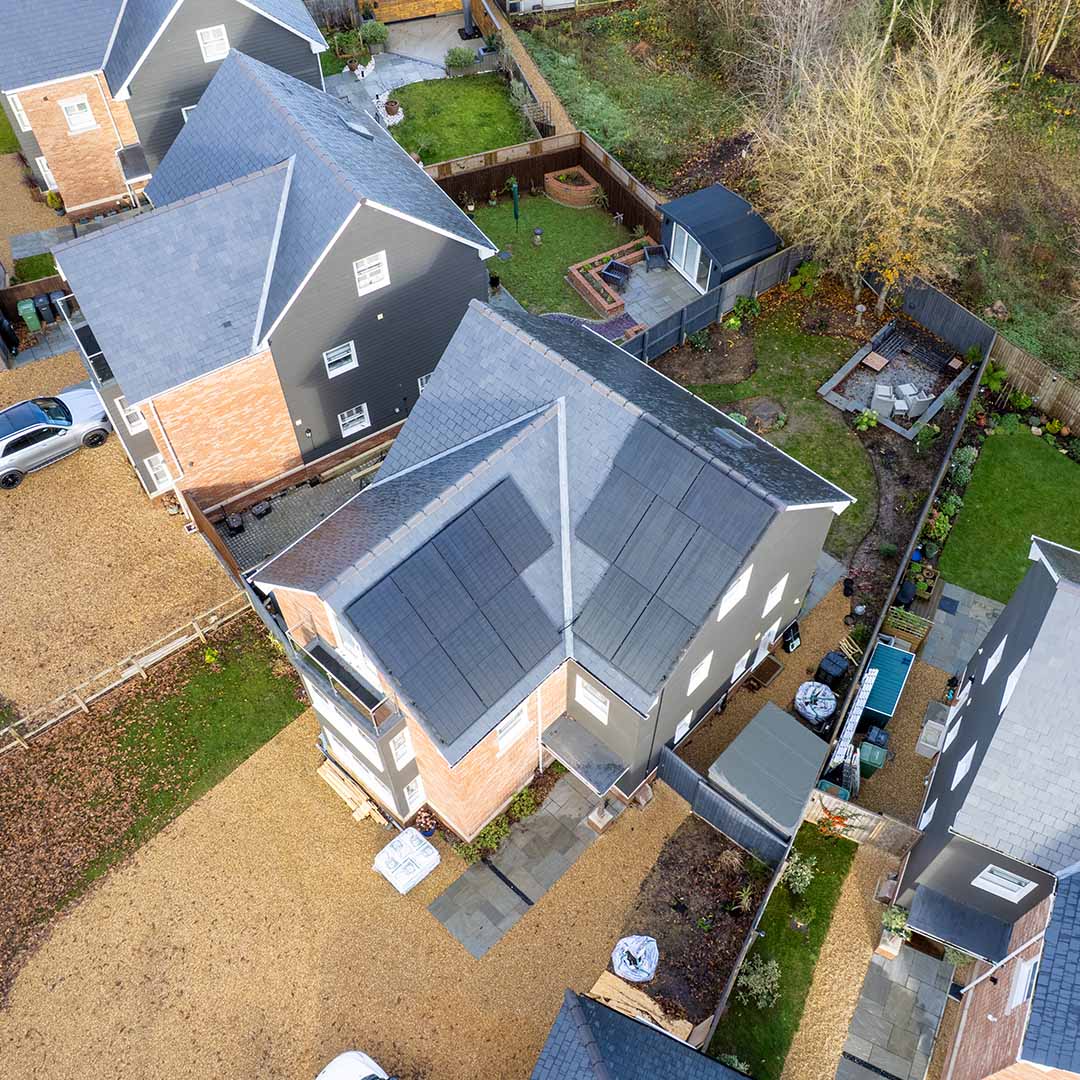
Why a home EV charger is not a DIY job, what the regulations actually require, and how to make sure your installation is safe, legal and properly certified.
It is a fair question, especially if you are handy around the house. You can change a socket, you have wired a light fitting before, so surely a wall charger is just a bigger version of the same thing? In short, no. A home EV charger must be installed by a qualified, registered electrician, and there are very good legal and safety reasons why. This is not installers protecting their own patch, it is genuinely one of the higher-stakes pieces of electrical work you can have done in a home, because the car draws a large, sustained current for hours at a time, often overnight while everyone is asleep.
Start with the legal side. An EV charger installation is notifiable work under the Building Regulations, which means it has to be either carried out by an electrician who is registered with a competent person scheme, or signed off by building control. A registered electrician can self-certify the work and notify it on your behalf, which is the normal route and keeps everything above board. If you fit a charger yourself without this, you have technically broken the regulations, and that can come back to bite you when you sell the house or need to make an insurance claim. Conveyancing solicitors increasingly ask for the certificate, and not having one can hold up a sale.
Then there is the earthing, which is the single biggest technical reason this is not a DIY job. The way your home is connected to earth determines what protection an EV charger needs, and getting it wrong is genuinely dangerous. Many UK homes use a supply arrangement where, under a specific and rare fault on the network, the metal casing of the charger and the car could become live. EV chargers have to be protected against this, either with a special device built into the charger or by fitting a separate earth electrode, often called an earth rod, in the ground. Working out which applies to your home, and installing it correctly, requires testing equipment and knowledge that a confident amateur simply will not have.
On top of that, the charger needs its own dedicated circuit run back to your consumer unit, with the correct type of breaker and residual current protection. EV charging requires a particular grade of fault protection because of the way the current behaves, and fitting the wrong device, or relying on protection that is already shared with other circuits, can leave the installation unsafe and non-compliant. A qualified electrician knows exactly which devices are required and will test that they actually trip correctly once fitted, rather than just assuming they do.
There is also the question of whether your existing electrics can even take the extra load. Adding a 7kW charger is like adding another shower or oven to your home in terms of demand. An electrician will assess your main fuse, your meter and your consumer unit to make sure the supply can cope, and will check whether you need load management so the charger automatically eases off if the rest of the house is drawing heavily. A homeowner has no realistic way to judge this, and overloading a supply is both a fire risk and something that can trip you into darkness at the worst moment.
None of this is meant to be scaremongering, it is just an honest picture of why the trade takes it seriously. The good news is that for a competent electrician it is routine work, done safely and tidily in a few hours, with full testing and certification at the end. What you are really paying for is not just the time on the tools but the assurance that the job has been done to the regulations, tested properly, and documented so it stands up to scrutiny later. On the South Coast you also want someone who understands the local network arrangements, since Hampshire, the Isle of Wight and Dorset sit under SSEN while Sussex and most of Surrey are under UKPN, and earthing practicalities can differ.
It is worth saying a word about who you choose, because not every electrician is the right fit for an EV charger. Look for someone who is registered with a competent person scheme, who carries the right insurance, and ideally who installs EV chargers regularly rather than as an occasional sideline. An MCS-certified renewables installer is a strong sign, especially if you might add solar or a battery later, because they will wire the charger with that future in mind rather than leaving you to rip things out and start again. Ask to see the certificate they will provide and check it includes the electrical installation certificate and building control notification.
So yes, you absolutely need an electrician, and choosing a good one is money well spent rather than a cost to minimise. A safe, certified install protects your family while the car charges overnight, keeps you on the right side of the regulations, and gives you the paperwork that protects the value of your home. We are a family-run, MCS-certified team covering Hampshire and the wider South Coast, and we install EV chargers honestly and tidily with no pushy sales. If you would like a properly qualified installer to look at your home, get in touch for a free no-obligation quote, or use our calculator to get a sense of the job before we visit.
Thinking about solar for your home?
We design every system around your roof and your real usage, across Hampshire, the Isle of Wight, Surrey, Sussex and Dorset. Get a free, no-obligation quote →
Cornerstone guide
Home EV Charger Installation: The Complete Guide →Read next
How Much Does It Cost to Install a Home EV Charger?
A clear, honest breakdown of what a home EV charger really costs to fit in Hampshire and along the South Coast, including the factors that move the price up or down.
EV Charger Installation: What to Expect (Survey to Switch-On)
A step-by-step walkthrough of a home EV charger installation on the South Coast, from the first survey through to the moment you plug in your car.
Best EV Tariffs for Home Charging in 2026
How to pick the right electricity tariff for charging your EV at home in 2026, what to look for, and how to combine cheap overnight rates with solar on the South Coast.